
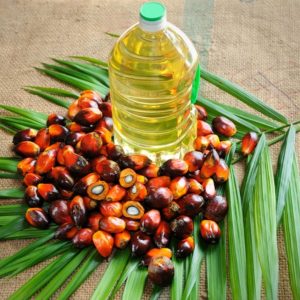
Palm Oil For Sale – Why Mozzarella Company Limited Is Africa’s Leading Supplier
If you’re looking for palm oil for sale that meets the highest standards of purity, consistency, and value, you’ve just landed on the right page. Mozzarella Company Limited, the premier palm‑oil supplier in Africa and Tanzania, offers a full portfolio of refined, crude, and specialty palm‑oil products that serve everything from household kitchens to large‑scale industrial manufacturers. In this deep‑dive blog post we’ll explore the science behind each grade, what the specifications really mean for your end‑use, and why partnering with Mozzarella Company Limited is a strategic move for any business that relies on palm oil.
Understanding Palm Oil: From Crude to Refined
Palm oil is extracted from the fruit of the oil palm (Elaeis guineensis). The fruit yields two distinct oils:
| Source | Primary Oil | Typical Uses |
|---|---|---|
| Fresh fruit bunches (FFB) | Crude Palm Oil (CPO) – reddish, high in saturated fats | Cooking, biodiesel, soap making |
| Palm kernels (the seed inside each fruit) | Crude Palm Kernel Oil (CPKO) – lighter, higher in lauric acid | Detergents, cosmetics, specialty fats |
The crude oils are yellow‑orange because they contain natural carotenoids (β‑carotene). To meet the stringent demands of food processors, bakers, and manufacturers, the crude oil undergoes refining, bleaching, and deodorising (RBD). This three‑step process removes colour, odour, free fatty acids (FFA), and trace impurities, delivering a neutral‑tasting oil that can be used in a broad range of applications.
Key refinement steps:
| Step | What It Does | Result |
|---|---|---|
| Refining | Neutralises free fatty acids via caustic treatment | Low FFA (≤0.1 %) |
| Bleaching | Removes pigments, trace metals, and residual soaps | Colour ≤ 1.5–3 % Red (Lovibond) |
| Deodorising | Strips volatile compounds that cause off‑flavours | Odour‑free, stable oil |
Understanding these grades is essential when you search “palm oil for sale” because the right grade can dramatically affect product quality, shelf life, and cost.
2. Mozzarella Company Limited – The “Number Supplier” in Africa & Tanzania
When you read “Number Supplier” you might think it’s a typo. It isn’t. In the oil‑trading world, a Number Supplier is a company that holds direct “numbers” (i.e., pool allocations) from the processing mills. This gives them:
- Guaranteed supply – even during peak harvesting seasons or market volatility.
- Transparent pricing – based on actual mill output, not speculative spot rates.
- Fast, reliable logistics – direct pipelines or dedicated tankers to port.
Mozzarella Company Limited has built long‑standing contracts with the largest palm‑oil mills in Tanzania and the surrounding East‑African region. As a result, they can fulfil orders ranging from 5 MT to 50 000 MT with consistent quality, on‑time delivery, and competitive FOB or CIF terms.
Why Tanzanian Palm Oil?
- Ideal Climate – Tanzania’s equatorial climate yields high‑yield, high‑oil‑content fruits year‑round.
- Sustainable Practices – The country’s major plantations are increasingly adopting RSPO‑aligned (Roundtable on Sustainable Palm Oil) management, a factor that matters to eco‑conscious buyers.
- Strategic Location – Proximity to major shipping lanes (Indian Ocean) reduces freight costs to Europe, the Middle East, and Asia.
3. Product Line‑up at a Glance – Quick Reference Table
Below is a concise comparison of the 9 core palm‑oil products that Mozzarella Company Limited offers for sale. Use this table as your first stop when deciding which grade aligns with your production needs.
| # | Product | Key Spec Highlights* | Typical Use Cases | Typical Price Range (USD/MT) |
|---|---|---|---|---|
| 1 | Crude Palm Oil (CPO) | FFA ≤ 5 % (Palmitic), Moisture ≤ 0.5 %, IV ≤ 19 | Frying, biodiesel, soap | 650‑720 |
| 2 | Crude Palm Kernel Oil (CPKO) | FFA ≤ 5 % (Lauric), Moisture ≤ 0.5 %, IV ≤ 19 | Detergents, margarine, cosmetics | 700‑770 |
| 3 | Refined Bleached & Deodorised Palm Oil (RBDPO) | FFA ≤ 0.1 %, IV 50‑55, Color ≤ 1.5 R (Lovibond) | Baking, snack foods, confectionery | 850‑940 |
| 4 | Refined Bleached & Deodorised Palm Kernel Oil (RBDPKO) | FFA ≤ 0.1 %, IV ≤ 19, Color ≤ 3 R | Soap, personal care, oleochemical feedstock | 900‑980 |
| 5 | Palm Olein (RBDPL) | FFA ≤ 0.1 %, IV 56 +, Melting Pt ≤ 24 °C | Deep‑frying, salad dressings, margarine | 880‑960 |
| 6 | Palm Stearin (RBDPS) | FFA ≤ 0.2 %, IV ≤ 48, Melting Pt 33‑39 °C | Shortening, cocoa butter equivalents, confectionery | 870‑950 |
| 7 | Palm Fatty Acid Distillate (PFAD) | FFA ≥ 70 % (Palmitic), Saponifiable Matter ≥ 95 % | Soap & detergent, animal feed, biodiesel | 480‑540 |
| 8 | Palm Kernel Fatty Acid Distillate (PKFAD) | Lauric ≥ 50 %, TFM ≥ 95 % | Surfactants, soaps, cosmetics | 520‑580 |
| 9 | Palm Kernel Expeller (PKE) | Protein (Profat) ≥ 21 %, Moisture ≤ 12 % | Animal feed, protein supplement | 340‑400 |
*All specifications are maximum limits (or minimum where noted) based on the latest lab analysis reports from Mozzarella Company Limited’s quality control lab.
4. Detailed Product Profiles
Below we unpack each product, explain the key numbers, and illustrate typical applications.
4.1 Crude Palm Oil (CPO) & Crude Palm Kernel Oil (CPKO)
| Parameter | CPO | CPKO |
|---|---|---|
| FFA as Palmitic / Lauric | ≤ 5 % (Palmitic) | ≤ 5 % (Lauric) |
| Moisture & Impurities (M&I) | ≤ 0.5 % | ≤ 0.5 % |
| Iodine Value (IV) | ≤ 19 | ≤ 19 |
| Colour | Deep orange (β‑carotene) | Light yellow |
| Key Fatty‑Acid Profile | ~44 % Palmitic, 39 % Oleic, 10 % Linoleic | ~50 % Lauric, 20 % Myristic, 16 % Oleic |
| Typical End‑Uses | Bulk cooking oil, biodiesel, soaps, oleochemicals | Detergent fats, cosmetics, industrial lubricants |
Why buy crude?
Crude oil is the most cost‑effective option for large‑scale processors that have their own refining facilities. It also provides a higher natural antioxidant content (carotenoids) that can be leveraged in certain food formulations for colour and health claims.
4.2 Refined, Bleached & Deodorised Palm Oil (RBDPO) & Palm Kernel Oil (RBDPKO)
| Parameter | RBDPO | RBDPKO |
|---|---|---|
| FFA (Palmitic / Lauric) | ≤ 0.1 % | ≤ 0.1 % |
| M&I | ≤ 0.1 % | ≤ 0.1 % |
| IV | 50‑55 | ≤ 19 |
| Melting Point | 33‑39 °C | — (liquid at ambient) |
| Color (Lovibond) | ≤ 1.5 R (red) | ≤ 3 R (red) |
| Key Applications | Baking, confectionery, snack production, margarine | Detergent bases, personal‑care emulsions, surfactants |
What the numbers mean for you
- FFA ≤ 0.1 % – Almost no free fatty acids, which means longer shelf life and no off‑flavours.
- IV 50‑55 – Indicates a high level of unsaturation, giving a lower melting point ideal for spreadable products.
- Colour ≤ 1.5 R – Near‑invisible in the final product, crucial for white chocolates, creams, and pastries.
4.3 Palm Olein (RBDPL) & Palm Stearin (RBDPS)
| Parameter | Palm Olein (RBDPL) | Palm Stearin (RBDPS) |
|---|---|---|
| FFA (Palmitic) | ≤ 0.1 % | ≤ 0.2 % |
| IV | ≥ 56 | ≤ 48 |
| Melting Point | ≤ 24 °C (liquid) | 33‑39 °C (semi‑solid) |
| Color | ≤ 3 R (red) | ≤ 3 R (red) |
| Typical Use | Deep frying, salad oils, margarine | Shortening, chocolate coating, cocoa‑butter equivalents |
Palm Olein is the liquid fraction of RBDPO after fractional crystallisation. Its high iodine value (> 56) translates to a highly unsaturated oil that resists oxidation during high‑temperature frying.
Palm Stearin is the solid fraction; it provides body and texture to cocoa butter equivalents (CBE), shortening blends, and hydrogenated spreads. Its higher melting point makes it perfect for temperature‑stable applications.
4.4 Palm Fatty Acid Distillate (PFAD) & Palm Kernel Fatty Acid Distillate (PKFAD)
| Parameter | PFAD | PKFAD |
|---|---|---|
| FFA (Palmitic) | ≥ 70 % | — (Lauric ≥ 50 %) |
| Moisture & Impurities | ≤ 1 % | ≤ 1 % |
| Saponifiable Matter (SM) | ≥ 95 % | ≥ 95 % |
| TFM (Total Fatty Matter) | — | ≥ 95 % |
| Key Uses | Soap & detergent manufacture, animal feed, biodiesel | Surfactants, soaps, specialty oleochemicals |
| Why They Matter | PFAD is a high‑value by‑product—cheap, high‑FFA feedstock for alkaline‑saponification. | PKFAD’s high lauric content makes it ideal for hard‑bar soaps and high‑foaming detergents. |
These distillates are cost‑effective alternatives to virgin oils when you need fatty acids rather than a finished oil. They are also environmentally friendly, as they turn a mill waste stream into a marketable product.
4.5 Palm Kernel Expeller (PKE)
| Parameter | Value |
|---|---|
| Protein (Profat) | ≥ 21 % |
| Moisture | ≤ 12 % |
| Color | Light brown |
| Main Applications | High‑protein animal feed (poultry, swine), fish feed, protein supplement in pet food. |
PKE is the solid residue left after pressing palm kernels for oil. It’s a nutrient‑dense, low‑cost feed ingredient with a balanced amino‑acid profile. For agribusinesses looking to diversify revenue streams, buying PKE in bulk can improve feed formulation economics.
5. Why Quality Specifications Matter
When you search “palm oil for sale”, you may encounter many suppliers who only quote a price per metric ton. The real differentiator is how tightly the product adheres to its spec sheet. Below are the key parameters and why you should care:
| Spec | What It Is | Impact on End Product |
|---|---|---|
| Free Fatty Acids (FFA) | Amount of unesterified fatty acids. Low FFA = less rancidity, better stability. | Longer shelf life, consistent taste, less oil loss during frying. |
| Moisture & Impurities (M&I) | Water and non‑oil contaminants. | High M&I can cause hydrolysis, foaming, and smoke point reduction during cooking. |
| Iodine Value (IV) | Measure of unsaturation |

Leave a Reply