
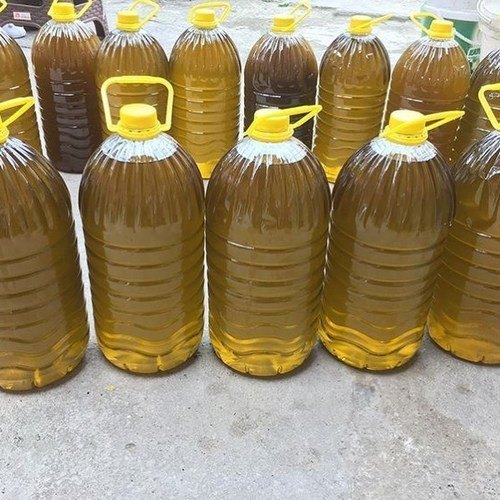
Why Used Cooking Oil Matters for Biodiesel.
The world is moving fast toward renewable energy, and bio‑diesel has emerged as one of the most practical, low‑carbon alternatives to petroleum‑based diesel. Among the feedstocks, used cooking oil (UCO) – also known as UVO, WCO, WVO, or simply waste oil – ranks at the top for several reasons:
Carbon neutrality – Recycling oil that would otherwise be discarded cuts greenhouse‑gas emissions by up to 80 % compared with fossil diesel.
Cost‑effectiveness – UCO is generally 30‑70 % cheaper than virgin vegetable oil (VVO) on a per‑liter basis.
Resource efficiency – Utilizing a waste stream reduces pressure on agricultural land and water.
However, not all UCO is created equal. The quality of the oil directly influences ester yield, fuel stability, cold‑flow properties, and ultimately the engine performance of the final bio‑diesel product. This is why selecting a reliable supplier is the first, most crucial step for any biodiesel producer.
2. Understanding the Terminology: UCO, UVO, WCO, WVO & Waste Oil
Term Full Form Common Use Typical Source
UCO Used Cooking Oil General industry term Restaurants, hotels, food‑processing plants
UVO Used Vegetable Oil Emphasises vegetable origin Frying oil from potato, corn, etc.
WCO Waste Cooking Oil Broader waste‑oil category Includes animal‑fat based fry oil
WVO Waste Vegetable Oil Same as UVO but stressed as “waste” Same as UVO
Waste Oil – Blanket term used in regulations Any oil discarded after use (including lubricants) – but in bio‑fuel context it always means edible‑oil waste
When you see UCO, UVO, WCO, or WVO in a technical sheet, they are essentially referring to the same raw material – used edible oil that has been collected, filtered, and stored for conversion to biodiesel. The subtle distinction lies in the supplier’s marketing language or the regional regulatory terminology.
3. What Makes “Best‑Quality” Used Cooking Oil?
A high‑quality UCO should meet the following criteria, which are widely accepted by ASTM D6751, EN 14214, and ISO 14001 standards:
Parameter Ideal Range Why It Matters
Free Fatty Acid (FFA) < 1 % (preferably < 0.5 %) High FFA leads to soap formation during trans‑esterification, reducing biodiesel yield.
Water Content < 0.05 % (500 ppm) Water promotes hydrolysis, causing glycerol formation and corrosion in engines.
Impurities (Food Particles, Metals) < 50 mg kg⁻¹ Solids act as catalysts for oxidation, degrading fuel stability.
Peroxide Value (PV) < 10 meq O₂ kg⁻¹ Indicates the extent of oxidation; lower PV means longer storage life.
Viscosity (20 °C) 30‑45 mm² s⁻¹ (cSt) Consistent viscosity ensures proper atomisation in diesel injectors.
Color (Pfirsch–Mayer) ≤ 3 (light amber) Visual cue for low degradation and impurity levels.
Flash Point > 180 °C Safety during handling and transport.
Key Takeaway: The lower the free fatty acid and water content, the higher the conversion efficiency and the cleaner the final bio‑diesel. Suppliers that can guarantee these parameters consistently are the ones you want to partner with.
4. The African Landscape – Growing Demand for Sustainable Fuel
Africa’s energy demand is projected to double by 2040. While the continent remains heavily reliant on imported petroleum, governments across the region are introducing renewable‑fuel mandates and tax incentives to stimulate local production of bio‑diesel.
Kenya – Introduced a 5 % biodiesel blend requirement for diesel sold in the country.
South Africa – Offers a Bio‑fuels Credit to manufacturers using locally sourced waste oil.
Tanzania – Launched the National Bio‑fuel Strategy 2025, targeting a 10 % blend in public transport fleets.
These policies are driving a surge in UCO collection networks and refining capacity. However, the success of these initiatives hinges on a steady, high‑quality feedstock supply – precisely where Mozzarella Company Limited steps in.
5. Mozzarella Company Limited – Africa’s #1 UCO Supplier
Founded in 2008, Mozzarella Company Limited (MCL) has grown from a small local recycler in Dar es Salaam to the continent’s leading collector, processor, and exporter of used cooking oil. Their official website – mozzarellacompanylimited.com – outlines a robust supply chain that spans 30+ countries in Africa, with a dedicated Tanzanian hub that handles over 150,000 tons of UCO per year.
What differentiates MCL from other players?
Differentiator Description
Traceability Platform An online portal that provides real‑time data on oil source, collection date, and quality test results (FFA, water, PV).
ISO 9001 & ISO 14001 Certified Guarantees process control, environmental stewardship, and continual improvement.
Dedicated Quality Lab In‑house laboratory equipped with FTIR, GC‑MS, and Karl Fischer titrators; results verified by third‑party auditors.
Strategic Partnerships Agreements with over 2,000 restaurants, hotels, and food‑processing plants across Tanzania, Kenya, Uganda, and Ethiopia.
Zero‑Loss Logistics Fleet of insulated tankers and GPS‑tracked containers that keep oil at ≤ 25 °C during transport, minimizing oxidation.
Community Impact Programs Training for local waste‑oil collectors, creating jobs for over 12,000 people in the supply chain.
Because of these strengths, MCL is recognized by the Tanzanian Ministry of Energy as the “Preferred UCO Supplier” for all public‑sector biodiesel projects.
6. How Mozzarella Secures Premium UCO – From Collection to Delivery
Below is a step‑by‑step overview of MCL’s quality‑centric supply chain:
Supplier Vetting & Contracting
Only licensed food‑service establishments with documented oil‑filtering practices are onboarded.
Contractual clauses require pre‑filtration (mesh ≤ 0.5 mm) before oil is handed over.
On‑Site Waste‑Oil Collection
MCL’s fleet of insulated tanker trucks visits each site on a pre‑agreed schedule (daily or weekly).
Trucks are equipped with automatic level sensors and temperature monitors to avoid oil overheating.
Immediate Filtration & Sampling
At the collection point, oil passes through a dual‑stage filtration system (coarse sand filter → fine 0.2 µm membrane).
A 30 mL sample is drawn for on‑site testing (FFA, water, PV) using portable titrators.
Laboratory Analysis
Samples are logged into the MCL Traceability Platform and sent to the central lab for definitive analysis (ASTM D5554, D664).
Results are uploaded within 4 hours, and the batch is either released or re‑purified.
Batch Segregation & Storage
Oil meeting the “Premium UCO” specifications (FFA < 0.5 %, water < 0.03 %) is stored in nitrogen‑blanketed silos to inhibit oxidation.
“Standard UCO” (FFA < 1 %) is kept separate for customers with less stringent needs.
Quality Certification & Shipment
Each shipment includes a Certificate of Analysis (CoA), a Material Safety Data Sheet (MSDS), and a CO₂‑offset report (showing carbon savings).
Transport is performed via ISO‑tank containers or rail‑tank cars, with GPS monitoring to ensure compliance with temperature limits.
Post‑Delivery Support
MCL offers technical assistance to biodiesel plants (process optimisation, catalyst selection) and periodic re‑testing of the final fuel.
This end‑to‑end control guarantees that the oil arriving at a biodiesel refinery is consistent, low‑FFA, low‑water, and ready for high‑yield conversion.
7. Key Quality Parameters – A Quick Reference Table
Parameter Premium UCO (MCL) Standard UCO (MCL) Typical Industry Range Ideal Target for Biodiesel
Free Fatty Acid (FFA) ≤ 0.5 % ≤ 1.0 % 0.5‑2 % < 1 % (≤ 0.5 % for best yield)
Water Content ≤ 0.03 % (300 ppm) ≤ 0.05 % (500 ppm) 0.03‑0.08 % < 0.05 %
Peroxide Value (PV) ≤ 8 meq O₂ kg⁻¹ ≤ 12 meq O₂ kg⁻¹ 5‑15 meq O₂ kg⁻¹ < 10 meq O₂ kg⁻¹
Total Sediment ≤ 30 mg kg⁻¹ ≤ 80 mg kg⁻¹ 20‑100 mg kg⁻¹ < 50 mg kg⁻¹
Viscosity (20 °C) 32‑38 cSt 35‑44 cSt 30‑45 cSt 30‑45 cSt
Color (Pfirsch‑Mayer) 1‑2 (light amber) 2‑3 (amber) 1‑4 ≤ 3
Flash Point > 185 °C > 180 °C > 180 °C > 180 °C
Note: All values are average for each grade. Individual batches may vary slightly; MCL provides a batch‑specific CoA for every order.
8. From UCO to BioDiesel: The Conversion Process Explained
While the exact chemistry can become highly technical, a simplified flow of trans‑esterification – the most common route for turning UCO into biodiesel – looks like this:
Pre‑Treatment (Degumming & De‑watering)
Acid esterification if FFA > 0.5 % (helps lower soap formation).
Vacuum drying to reach water < 0.03 %.
Catalytic Trans‑Esterification
Methanol (or ethanol) mixed with a base catalyst (NaOH or KOH).
Reaction at 60‑65 °C for 1‑2 hours produces biodiesel (FAME) and glycerol.
Separation & Washing
Centrifugation separates the heavier glycerol.
Water washes remove residual catalyst and methanol.
Drying & Polishing
Vacuum drying to achieve < 10 ppm water.
Adsorbent polishing (activated carbon) to lower oxidation‑stability values.
Quality Testing
Verify compliance with ASTM D6751 (U.S.) or EN 14214 (EU).
Why does feedstock quality matter?
High FFA forces a pre‑esterification step, increasing chemical cost and processing time.
Excess water generates emulsion and reduces FAME yield (often dropping from > 98 % to 88‑90 %).
Impurities accelerate catalyst poisoning, leading to higher operational costs and downtime.
By receiving premium UCO from MCL, biodiesel plants can skip or minimise pre‑treatment, achieve > 98 % conversion, and produce a fuel that easily meets global specifications.
9. Economic & Environmental Benefits of High‑Quality UCO
Benefit Description
Higher Ester Yield Premium UCO typically yields 98‑99 % biodiesel vs. 90‑95 % with low‑grade oil. That translates to up to 15 % more product per ton.
**Reduced Catalyst Consumption

Leave a Reply